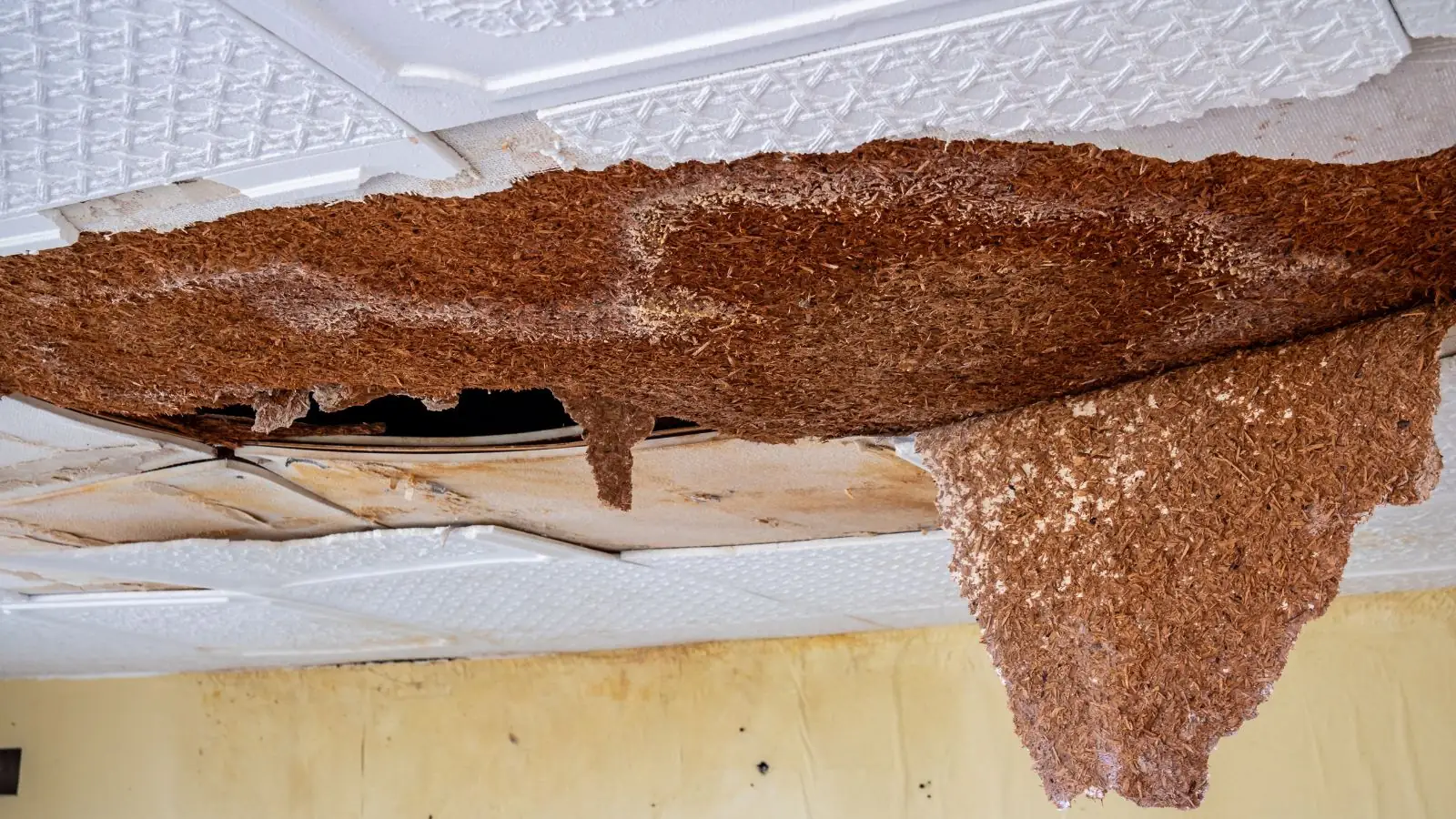
A water loss at a business is an emergency, and the 24/7 line is open now. Shut off the water at the main or at the failed fixture, move stock and records away from wet floors, and keep staff and customers out of any area with electrical hazards.
Commercial water damage restoration in Westland, MI covers offices, retail units, restaurants, warehouses and multi-unit buildings. The work is the same science as a house, but the building is larger, the downtime costs more and the people who decide are often an owner, a manager and a landlord.
Commercial water emergency: protect people, stock and records
Close the main or the fixture shutoff, then cut power to wet areas only if the panel is dry. Lift boxes, paper records and electronics off the floor, and photograph the loss before anything is moved. Westland is home to retail centers and shops where water from a roof or a supply line can reach inventory fast.
If a sprinkler line or a fire system is involved, call 911 and the building's system contractor first. Once the water is stopped, the restoration crew sets a plan that fits the building schedule.
How commercial work differs
Commercial buildings often have slab floors, suspended ceilings, carpet tile, shared walls and mechanical rooms. Water travels along ceiling cavities and utility chases, so a leak in one suite can affect the one below or beside it. The crew maps moisture across the whole affected area rather than only the visible stain.
| Building type | Common source | Typical concern |
|---|---|---|
| Office suite | Supply line, sprinkler or roof | Records, computers, ceiling tiles |
| Retail unit | Roof, storefront or supply line | Stock, flooring and appearance |
| Restaurant | Kitchen equipment and drains | Grease, drains, health rules |
| Multi-unit building | Supply or drain line in a shared wall | Several units and the owner |
Working around the business
- Rooms are dried in sections so part of the building can stay open when safe.
- Equipment is placed away from entrances and walkways.
- Moisture readings are logged daily for the owner and any insurer.
- The crew coordinates with the building manager on access and noise.
Owners, tenants and landlords
Who pays depends on the lease and the policy. Document the loss in writing, notify the building owner or manager and the insurer, and keep the scope and readings that the crew provides. A tenant with a landlord should read the lease clause for building systems and ask who files the claim.
Surfaces that need special care
Carpet tile can often be lifted, dried and reused if the water was clean. Suspended ceiling tiles that sag are usually replaced. Drywall behind a finish, such as tile or paneling, may need to be opened to dry the cavity. Flooring over a slab can trap water underneath.
Equipment is the same as in a home, and the process is covered at structural drying and water extraction. Roof-related losses are often tied to storm water damage. A building on this line is served along with Livonia and nearby towns on the service area page.
Commercial jobs follow the same ANSI/IICRC S500 water damage standard as homes, which gives a manager and an insurer a common vocabulary for classes of water and drying goals.
Safety steps while you wait
- Get staff and customers out of wet areas near electrical equipment.
- Shut off the water at the main or the failed fixture.
- Lift records and stock off the floor before photographing the loss.
- Notify the building owner or manager and your insurer.
Water in your business?
Stop the source, protect records and call the 24/7 line.
What shapes the cost of commercial water damage
- The floor area and the number of suites affected.
- The water category and the source.
- The materials, such as carpet tile, ceiling tile and drywall.
- Drying days and equipment.
- The access limits that come from business hours.
Commercial policies and leases differ, and some include business interruption. Notify the insurer and the owner promptly, and keep the readings and the written scope.
Want your real number? Call (833) 521-1033 and the scope and price are explained before work starts.
Common questions
Do you handle commercial water damage emergencies at night or on weekends in Westland?
Yes. Owners and managers call after closing time all the time. Give the building type, the number of suites affected and whether the water is stopped.
Can the building stay open during drying?
Often in part. Rooms are dried in sections where safe, and the crew works with the manager on access and noise.
Who files the claim, the tenant or the landlord?
It depends on the lease and the policy. Document the loss and notify both. The crew provides the scope and readings.
Do you handle multi-unit buildings?
Yes, by phone. Describe how many units are affected and where the water entered.