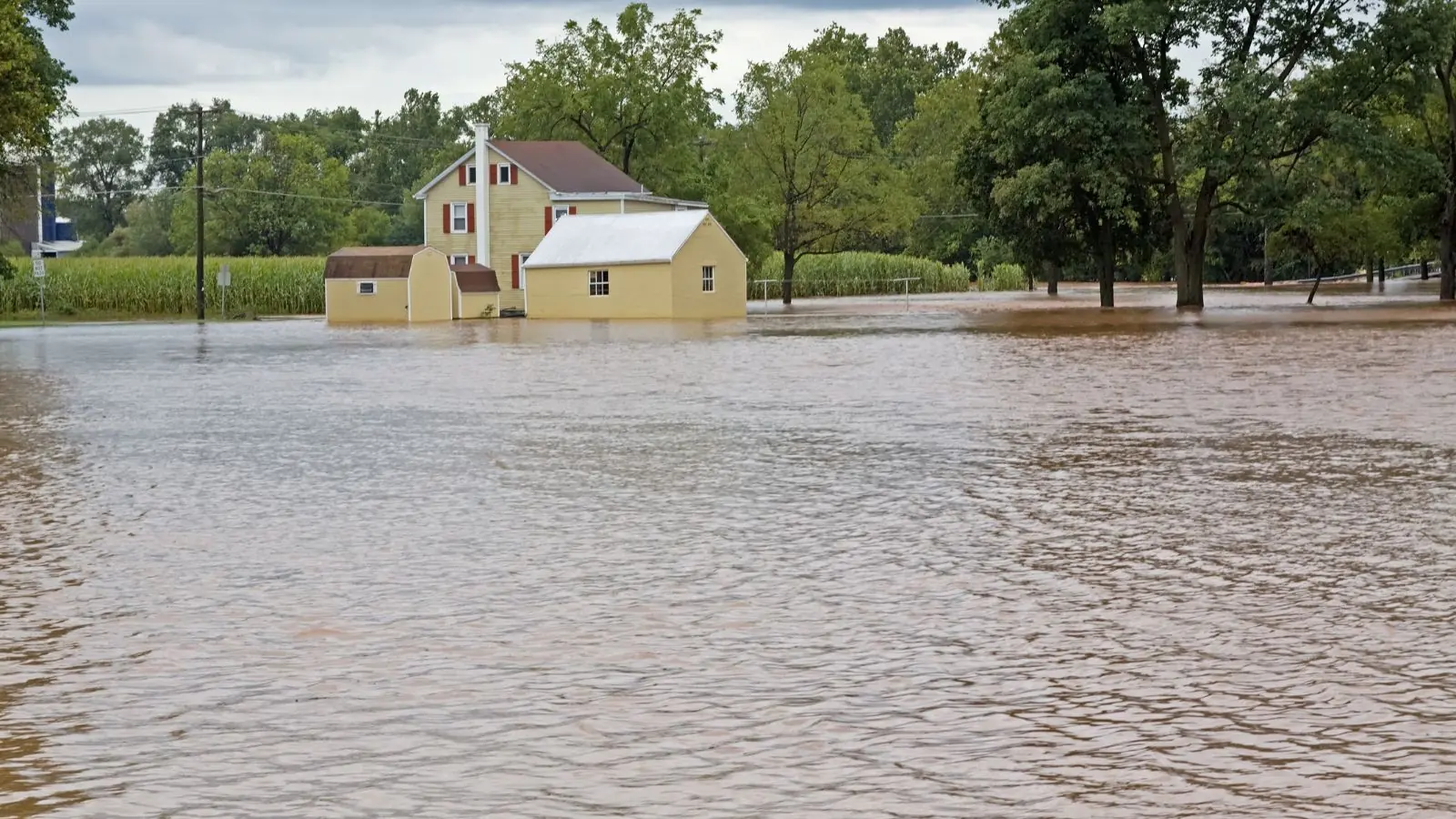
Storm water in the house is an emergency, and the 24/7 line is open now. Stay away from downed power lines, shut off power only if the panel is dry and photograph the damage before you clean up.
Storm water damage cleanup in Westland, MI covers water that gets in during a storm: through a damaged roof, a broken window, a failed flashing or a foundation. The cleanup follows the water, so a roof leak becomes a ceiling and attic job, and ground water becomes a basement job.
Storm damage emergency: safety first
The Westland Fire Department flood guidance says to stay at least 25 feet from downed power lines and to avoid walking or driving through moving water. After the storm, check for gas smells and electrical damage before you enter a wet area.
Cover a broken window or a hole in the roof only if it is safe to do so. Take photos of the damage, then call your insurer and the line. A tarp is a temporary cover, and a roofer makes the repair.
Where storm water gets in
| Entry point | What gets wet | Cleanup focus |
|---|---|---|
| Damaged roof | Attic insulation, ceilings, upper walls | Dry the cavity, see ceiling water damage repair |
| Broken window | Sill, wall and floor below | Extraction and wall drying |
| Foundation and window wells | Basement floor and walls | See basement water damage cleanup |
| Storm drain overflow | Lower level and garage | Extraction and sanitizing if dirty |
What storms look like in Southeast Michigan
Michigan's wet season peaks in spring, and May is the wettest month at 3.72 inches according to National Weather Service 1991 to 2020 normals. Severe storms and flooding on August 11 to 13, 2014 led to FEMA disaster declaration 4195, and a single heavy rain can overwhelm a basement that stays dry the rest of the year.
Documenting a storm loss
Photograph each damaged area before cleanup, keep damaged items until the insurer says otherwise and write down the time you noticed the water. The Michigan insurance department advises documenting your loss and keeping receipts for emergency repairs.
The cleanup sequence
- Water is removed with pumps and extraction units.
- Wet materials that cannot dry are removed.
- Air movers and dehumidifiers dry the structure.
- Repairs follow the drying and the roofer or contractor.
Rising water belongs to flood damage restoration. Storm water that enters a building from above or from a window is handled here. Both use the same drying process once the water is out.
Preparing before the next storm
Clear gutters, check the sump pump and its backup, and look at the roof edge for loose shingles. A battery backup for the pump is one of the steps the Westland Fire Department flood guidance mentions. These steps lower the odds of a wet basement, though they do not replace drying one that already took water.
Storm water inside?
Stay clear of hazards and call the 24/7 line.
What shapes the cost of storm water damage
- How much water got in and where.
- Whether the water was clean rain or dirty ground water.
- Roof and attic materials that were wet.
- Drying days and equipment.
- The repair scope for ceilings, walls and floors.
Wind and rain damage is often covered, while rising flood water is usually excluded from a standard homeowners policy. Say water damage when you call your insurer, and document the loss.
Want your real number? Call (833) 521-1033 and the scope and price are explained before work starts.
Common questions
Do you handle storm water damage emergencies at night or on weekends in Westland?
Yes. After a storm passes in the night, the line is still open. Describe where the water entered, such as the roof, a window or the foundation.
Should I tarp the roof myself?
Only if you can do it safely from the ground or a stable position. A roofer should handle roof access. A tarp is a temporary cover.
Is storm water clean?
Rain through a roof is usually clean at first, but it can pick up dust and insulation. Water from the ground or a drain can be dirty and should be treated carefully.
Do I need photos before cleanup?
Yes. Photograph the damage and keep damaged items until the insurer says otherwise.