Water extraction removes what you can see. Structural drying removes what you cannot, and the line is open 24/7 to start it. If you have wet walls or floors, call before the materials swell.
Structural drying and dehumidification in Westland, MI is the controlled drying of floors, walls, ceilings and framing after a leak or flood. It uses air movers, dehumidifiers and moisture meters, and it follows the ANSI/IICRC S500 approach of measuring and adjusting rather than guessing.
Why drying is a measured job
Wet materials give up their water slowly, and the water moves into the air as humidity. A drying setup moves air across wet surfaces and removes the moisture from the air with dehumidifiers. A moisture meter checks the same spots each day, so the crew knows when the readings are back to normal.
| Equipment | What it does | Where it goes |
|---|---|---|
| Air movers | Push air across wet surfaces | Floors, wall bottoms, cavities |
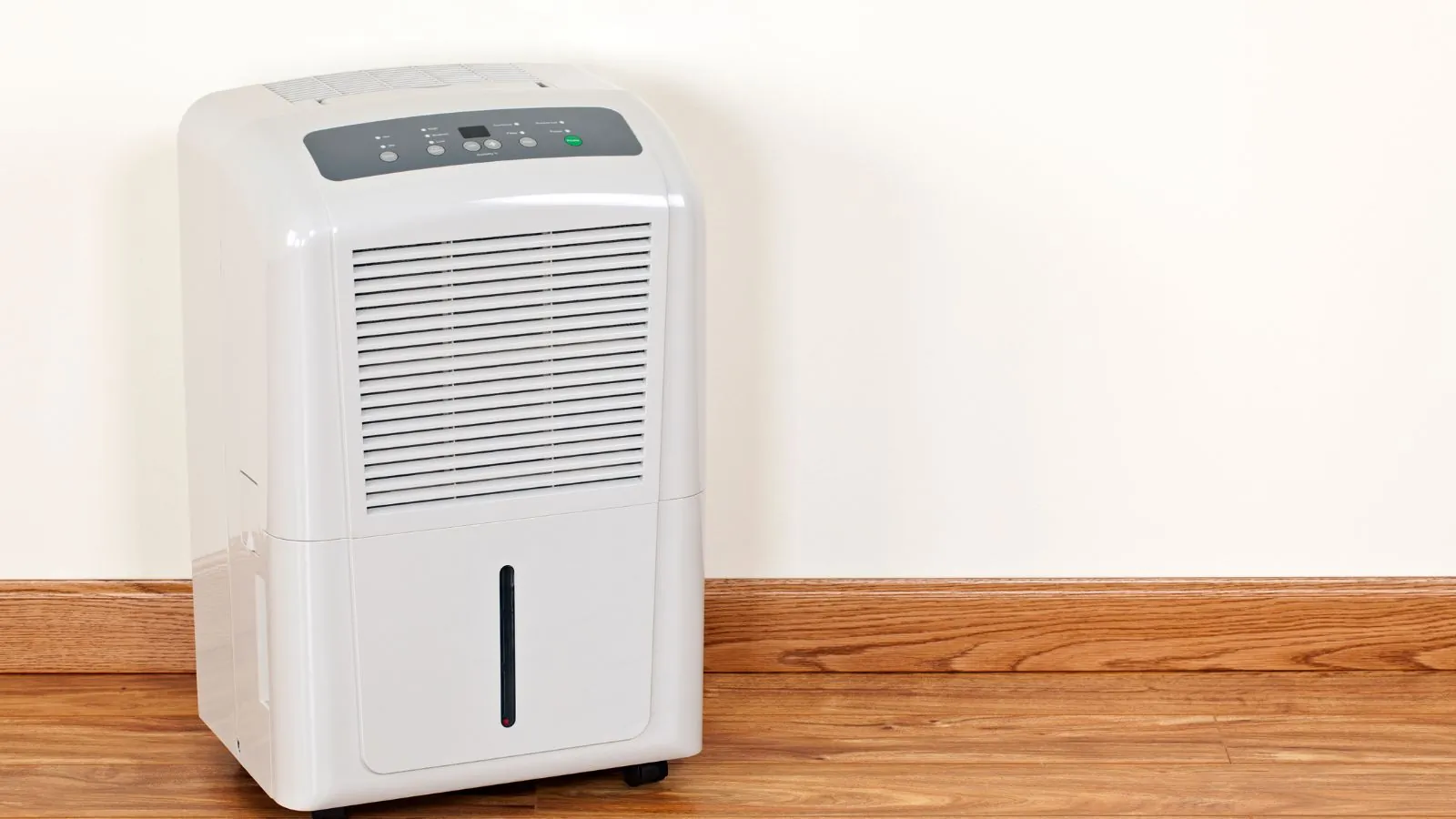
| LGR dehumidifiers | Remove moisture from the air | Inside the closed drying area |
| Moisture meters | Measure the water in materials | Walls, floors, framing |
| Thermal cameras | Show cool, wet areas behind surfaces | Walls and ceilings |
What to expect during drying
Most drying jobs run several days, and the length depends on the materials and how much water they hold. Each day the crew records readings, moves the equipment and removes it when the readings reach the dry standard. Loud equipment is normal, and the windows and doors stay closed so the dehumidifiers can work.
- Day one: extraction, moisture mapping and equipment set up.
- Following days: daily readings and adjustments.
- Final day: confirmation readings and equipment removal.
- After drying: repair or rebuild of any removed materials.
Why not just open the windows?
Michigan humidity is often high, and outdoor air can bring moisture into a house rather than carry it out. A closed system with dehumidifiers dries more predictably than ventilation. A fan alone can dry the surface and leave the framing wet.
Signs drying was not enough
If baseboards keep staining, paint bubbles after a week or a musty smell returns, moisture is still in the wall. These are the symptoms that lead people to call after the first cleanup did not hold. A moisture reading is the way to check.
Drying often follows water extraction and is part of every flood or pipe job. Walls that were opened during drying are rebuilt under wall and drywall water damage repair, and wet carpet is covered at carpet water damage restoration.
Containment and the drying area
Dehumidifiers work best in a closed area. The crew closes doors, covers openings and sometimes hangs plastic so the equipment dries the wet rooms rather than the whole house. Keeping the area closed also keeps the dried air from escaping, which is why windows stay shut while the equipment runs.
Records that matter
A good drying job leaves a paper trail. The log lists the equipment, the date it was placed, the readings at each visit and the date it was removed. These records show the insurer what was done and show you that the materials reached a dry standard before they were closed up.
Safety steps while you wait
- Keep doors and windows closed in the drying area.
- Do not unplug or move the equipment.
- Keep children and pets away from cords and hoses.
- Tell the crew if a machine trips a breaker.
Walls or floors still damp?
Call the line and ask for a moisture reading.
What shapes the cost of structural drying
- The area and the number of rooms that need drying.
- The materials and how much water they hold.
- The number of equipment pieces and drying days.
- Whether walls had to be opened to dry the cavity.
- The rebuild scope once drying is done.
Insurers usually want a drying log and moisture readings to support a claim. Ask the crew for the daily readings and keep them with your photos.
Want your real number? Call (833) 521-1033 and the scope and price are explained before work starts.
Common questions
How long does structural drying take?
It depends on the materials and the water. Many jobs run a few days. The readings decide when the equipment comes out.
Why do I need dehumidifiers and fans together?
Air movers move water into the air, and dehumidifiers remove it from the air. Using only fans can raise the humidity and slow drying.
My walls feel dry. Are they?
A wall that feels dry can still hold moisture in the cavity. A moisture meter reading is the reliable check.